
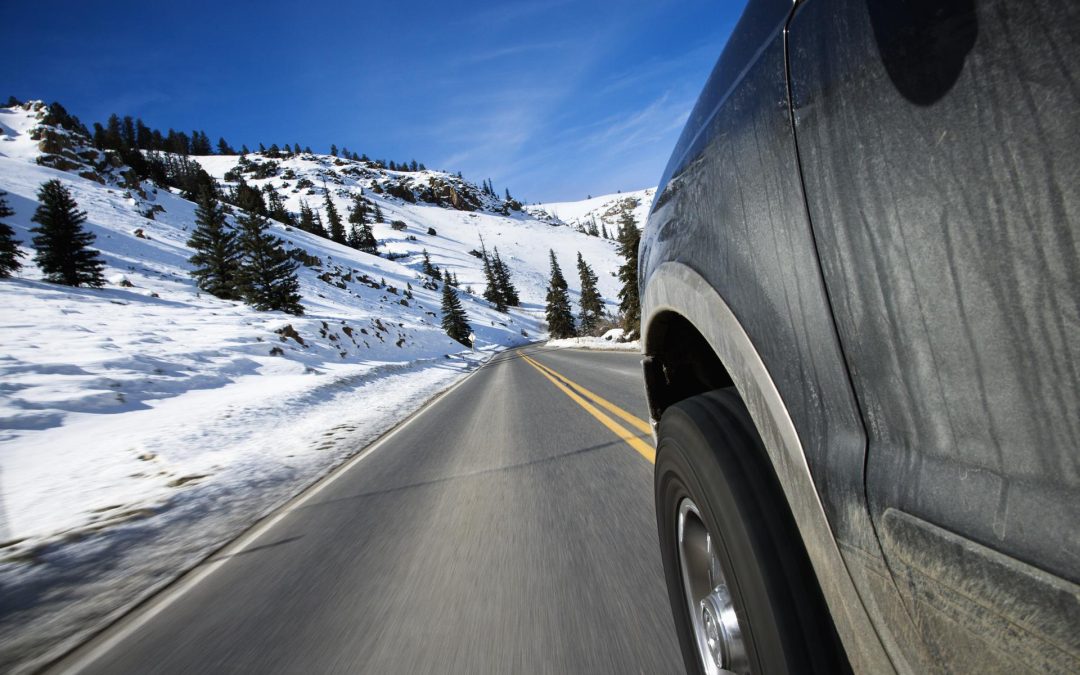
Moving during the winter in Colorado is not impossible, but it does require more thought and preparation than a move in warmer months. The snow-covered mountains and crisp air may look beautiful, yet the season brings challenges that can complicate relocation. With careful planning, however, families and businesses can enjoy a safe and efficient move even in the coldest conditions.
Let’s explore why winter moves in Colorado demand extra planning and how to make them successful.
Understanding Colorado’s Winter Weather
Colorado winters are unpredictable. Snowstorms can arrive suddenly, and temperatures often dip well below freezing. These conditions affect travel, packing, and the safety of your belongings. Roads may close without warning, and icy highways can delay schedules.
Planning around the forecast and preparing for sudden changes is essential. Movers often recommend flexible scheduling to account for weather-related delays. By anticipating these challenges, you can reduce stress and keep your move on track.
Preparing Your Home for a Winter Move
Before moving day, it’s important to prepare both your old and new homes. Clearing driveways and walkways of snow ensures safe access for movers and prevents accidents. Laying down protective coverings inside helps keep floors clean from slush and mud. Heating your new home before your arrival prevents damage to items that could be harmed by freezing temperatures.
These small steps make a big difference in creating a safe and efficient moving environment. Preparation also helps movers work faster and more effectively.
Protecting Belongings from Cold and Moisture
Winter weather introduces risks of moisture and freezing. Fragile items are particularly vulnerable. Using insulated packing materials and waterproof covers helps shield belongings during transport. Movers often recommend double-wrapping sensitive items and labeling boxes clearly to ensure careful handling. By taking these precautions, you reduce the risk of damage and preserve the condition of your possessions. Planning ahead also saves time when unpacking, since items arrive in better condition.
Coordinating With Professional Movers
Working with experienced movers is especially important during winter. Professionals understand how to navigate icy roads and handle heavy lifting in cold conditions. Many companies offer specialized moving services tailored to winter relocations, including heated trucks and weather-resistant packing supplies.
Choosing a team with local expertise ensures that your move is managed safely and efficiently. Their knowledge of Colorado’s terrain and weather patterns can make a significant difference.
Managing Travel and Transportation Challenges
Colorado’s mountainous terrain can make winter travel unpredictable. Icy highways and limited visibility are common. Planning alternate routes and allowing extra travel time helps you avoid unnecessary stress. Movers often monitor traffic and weather updates to adjust schedules as needed. By staying flexible and prepared, you can minimize disruptions and keep your move on track. This proactive approach ensures that even unexpected challenges do not derail your plans.
Budgeting for Winter Moving Costs
Winter moves may involve additional expenses. Protective materials and potential delays can increase costs. However, moving during the off-season often comes with lower demand, which may reduce base rates. Balancing these factors helps you create a realistic budget.
Discussing potential scenarios with your moving company ensures you’re prepared for unexpected expenses while still benefiting from seasonal savings. A clear budget also reduces stress and helps you plan more effectively.
Staying Safe During the Move
Safety should always be the top priority. Slippery sidewalks and heavy lifting in cold weather pose risks. Professional movers are trained to handle these challenges, but homeowners should also take steps to protect themselves and their families during the process.
Wearing proper footwear and dressing in layers are simple but effective precautions. Keep emergency supplies and first aid materials on hand.
Safety planning ensures that the move is not only efficient but also secure.
Planning for Family and Pets
Families and pets need special attention during winter moves. Children may find the process stressful, especially in cold weather. Preparing warm clothing and entertainment helps keep them comfortable.
Pets should be kept in a warm, safe space during the move to avoid exposure to freezing temperatures. Planning ahead for their needs ensures that everyone transitions smoothly into the new home. This consideration adds comfort and reduces stress for the entire household.
Leveraging Seasonal Advantages
While winter moves present challenges, they also offer advantages. Demand for movers is often lower, which can mean more flexible scheduling and reduced rates.
Movers may have greater availability, allowing you to choose times that work best for your family or business. Additionally, moving in winter means you’ll be settled before spring, giving you time to enjoy the warmer months without the stress of relocation. Recognizing these benefits helps balance the challenges of the season.
Final Thoughts
Winter moves in Colorado demand extra planning, but with the right preparation, they can be just as successful as moves in any other season. By anticipating weather challenges and working with experienced movers, families and businesses can enjoy a smooth transition even in the snow.
If you’re planning a move this winter, consider partnering with a trusted moving company to ensure your relocation is safe and stress-free. Contact us today to learn about our moving solutions during the winter season in Colorado.
Frequently Asked Questions
What makes winter moves in Colorado more difficult?
Snow, ice, and freezing temperatures create unique challenges. Roads may close unexpectedly, and belongings are more vulnerable to cold and moisture. Extra planning for these extra factors helps reduce risks.
How can I protect my belongings during a winter move?
Use insulated packing materials and waterproof covers, and be sure to double-wrap fragile items that might be affected by shifting or cold. Electronics and artwork in particular should be kept warm and dry whenever possible.
Are moving costs higher in winter?
While additional expenses like snow removal may apply, winter is often considered the off-season, which can mean lower base rates from moving companies.
Should I book movers in advance for a winter move?
Yes. Even though demand is lower, scheduling early ensures availability and allows time to prepare for weather-related adjustments.
Is it safe to move during a snowstorm?
It’s best to avoid moving during severe weather. Rescheduling or delaying by a day or two is often safer and prevents damage to belongings or accidents during transport. Your moving team can advise you on the best course of action.